AI
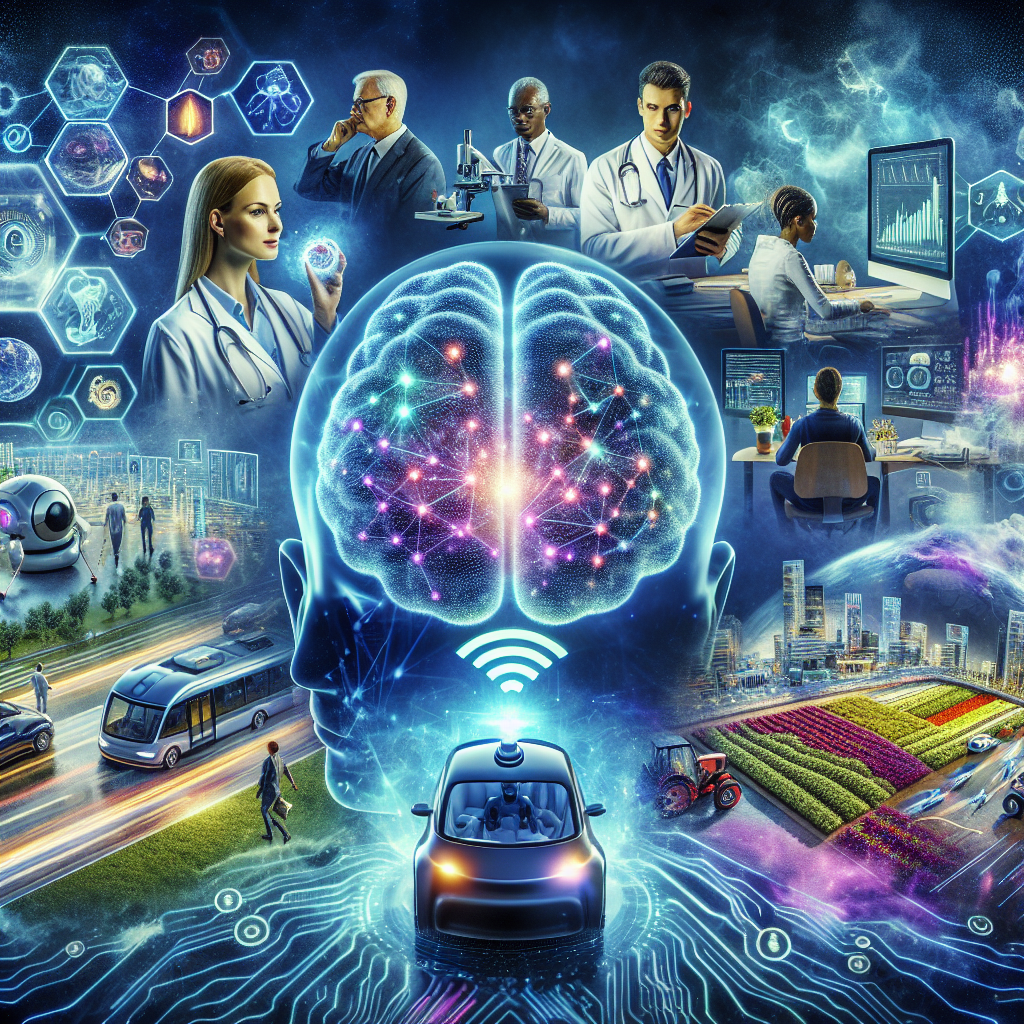
Artificial Intelligence (AI) is transforming industries and daily life across the globe, including in Ghana. This technology encompasses various capabilities, such as machine learning, natural language processing, computer vision, and robotics. As AI continues to evolve, it is reshaping how businesses operate, how we interact with technology, and how we approach ethical considerations.
AI Applications
AI applications are diverse and impactful. Here are some of the key areas where AI is making significant strides:
– **Machine Learning**: This involves algorithms that enable computers to learn from and make predictions based on data. It is widely utilized in sectors ranging from healthcare to finance.
– **Natural Language Processing (NLP)**: NLP allows machines to understand and respond to human language. This technology powers virtual assistants and chatbots, facilitating better customer interactions.
– **Computer Vision**: This technology enables machines to interpret and understand visual information from the world, which is essential in fields like security and autonomous vehicles.
– **Robotics**: AI-driven robotics are increasingly used in manufacturing and logistics, improving efficiency and precision.
– **Predictive Analytics**: By analyzing past data, predictive analytics helps organizations forecast trends and make informed decisions.
AI in Business
The integration of AI into business practices is revolutionizing various sectors. In Ghana, businesses are beginning to adopt AI to enhance operational efficiency and customer engagement. Key applications include:
– **AI in Marketing**: Companies are leveraging AI to analyze consumer data, target specific demographics, and personalize marketing efforts.
– **AI in Finance**: Financial institutions utilize AI for fraud detection, risk assessment, and personalized banking services.
– **AI for Customer Service**: Chatbots and virtual assistants improve customer support by providing instant responses and handling inquiries efficiently.
– **Automation**: AI automates repetitive tasks, freeing up human resources for more strategic activities.
– **Data Analysis**: Companies employ AI to sift through vast amounts of data, uncovering insights that drive business decisions.
Ethics and AI
As AI technology advances, ethical considerations become increasingly important. Key issues include:
– **AI Ethics**: The development of AI must align with ethical principles to ensure it benefits society as a whole.
– **Bias in AI**: Algorithms can inadvertently perpetuate biases present in training data, leading to unfair outcomes.
– **Data Privacy**: The collection and use of personal data in AI applications raise significant privacy concerns.
– **Accountability**: It is crucial to establish who is responsible for decisions made by AI systems.
– **Transparency**: Users should understand how AI systems make decisions, fostering trust and accountability.
AI Education
With the growing demand for AI skills, many educational institutions and online platforms are offering courses and training programs:
– **AI Courses**: Universities in Ghana are beginning to incorporate AI into their curricula to equip students with relevant skills.
– **AI Training**: Organizations often provide training programs for employees to enhance their understanding of AI technologies.
– **AI Workshops**: Events and workshops help professionals stay updated on the latest trends and applications in AI.
– **Online Learning**: Numerous platforms offer online courses, making AI education accessible to a wider audience.
– **Skill Development**: Emphasizing practical skills is essential for individuals looking to enter the AI field.
Future of AI
The future of AI is promising, with several trends and innovations on the horizon:
– **AI Trends**: Expect to see increased adoption of AI across various sectors as technology becomes more accessible.
– **AI Innovations**: Advancements in AI technology will lead to more sophisticated applications, enhancing capabilities in areas such as healthcare and education.
– **Future Job Market**: While AI may displace certain jobs, it will also create new opportunities in tech and related fields.
– **AI and Society**: The societal impact of AI will be profound, potentially improving quality of life in various ways.
– **Technological Advancements**: Continuous improvements in computational power and algorithms will drive AI development forward.
FAQ
**What is artificial intelligence?**
Artificial intelligence refers to the simulation of human intelligence processes by machines, particularly computer systems. These processes include learning, reasoning, and self-correction.
**How is AI being used in Ghana?**
In Ghana, AI is being applied in sectors like agriculture for predictive analytics, in finance for fraud detection, and in healthcare for patient diagnosis, enhancing efficiency and accuracy.
**What are the benefits of AI?**
AI offers numerous benefits, including increased efficiency, improved accuracy in data analysis, enhanced customer experiences, and the ability to automate repetitive tasks.
**What are the ethical concerns surrounding AI?**
Key ethical concerns include bias in AI systems, data privacy issues, accountability for AI decisions, and the need for transparency in how AI algorithms operate.
**How can I learn about AI?**
Individuals can learn about AI through online courses, university programs, workshops, and self-study resources that cover various aspects of artificial intelligence.
**What is the future of AI?**
The future of AI is expected to bring advancements that enhance its applications across sectors, create new job opportunities, and significantly impact society.
**Can AI replace human jobs?**
While AI may automate certain tasks and roles, it is also likely to create new job opportunities and demand for human skills in AI management and oversight.
**What are some examples of AI technologies?**
Examples include machine learning algorithms, natural language processing tools, computer vision systems, and robotic process automation technologies.
In conclusion, AI is poised to shape the future of various sectors significantly. As businesses in Ghana and around the world adopt AI technologies, understanding their applications, ethical implications, and educational opportunities will be crucial for individuals and organizations alike. By embracing this transformative technology, societies can harness its potential for innovation and growth.