Individual and population-level risk factors for new HIV infections among adults in Eastern and Southern Africa
HIV infections remain a significant public health challenge in Eastern and Southern Africa. Despite ongoing efforts to curb the epidemic, the region continues to report high prevalence rates. Understanding the risk factors for new HIV infections is crucial for developing effective prevention strategies and public health policies.
HIV Epidemiology
HIV prevalence in Eastern Africa varies significantly by country, with some areas reporting rates as high as 10%. Southern Africa has even higher statistics, with countries like Eswatini and Lesotho showing alarming HIV transmission rates. According to the latest data, nearly 20% of adults in these regions are living with HIV.
These statistics are not just numbers; they reflect the urgency of addressing the factors contributing to new infections. The epidemiology of HIV in these areas calls for a detailed risk factors analysis that considers both individual and population-level contributors.
Risk Factors Analysis
Individual risk factors for HIV infections include:
– Unprotected sexual intercourse
– Multiple sexual partners
– History of sexually transmitted infections (STIs)
– Substance abuse, particularly intravenous drug use
On a population level, factors such as socio-economic status, education level, and cultural beliefs play a significant role in HIV transmission. Areas with high poverty rates often show higher HIV prevalence, as limited access to healthcare and education can hinder prevention efforts.
Socioeconomic factors are particularly critical. Communities with lower income frequently lack the resources to engage in effective HIV prevention programs and may experience higher rates of stigma associated with HIV. This stigma can lead to decreased testing and treatment uptake, further perpetuating the cycle of infection.
Prevention Strategies
Effective prevention strategies are essential in combating new HIV infections. Current initiatives focus on several key areas:
– **HIV prevention programs**: These include educational campaigns aimed at increasing awareness about safe sex practices and the importance of regular testing.
– **Testing and treatment**: Expanding access to HIV testing and treatment has shown to significantly reduce transmission rates. Early treatment not only improves the health of those living with HIV but also minimizes the risk of transmission to others.
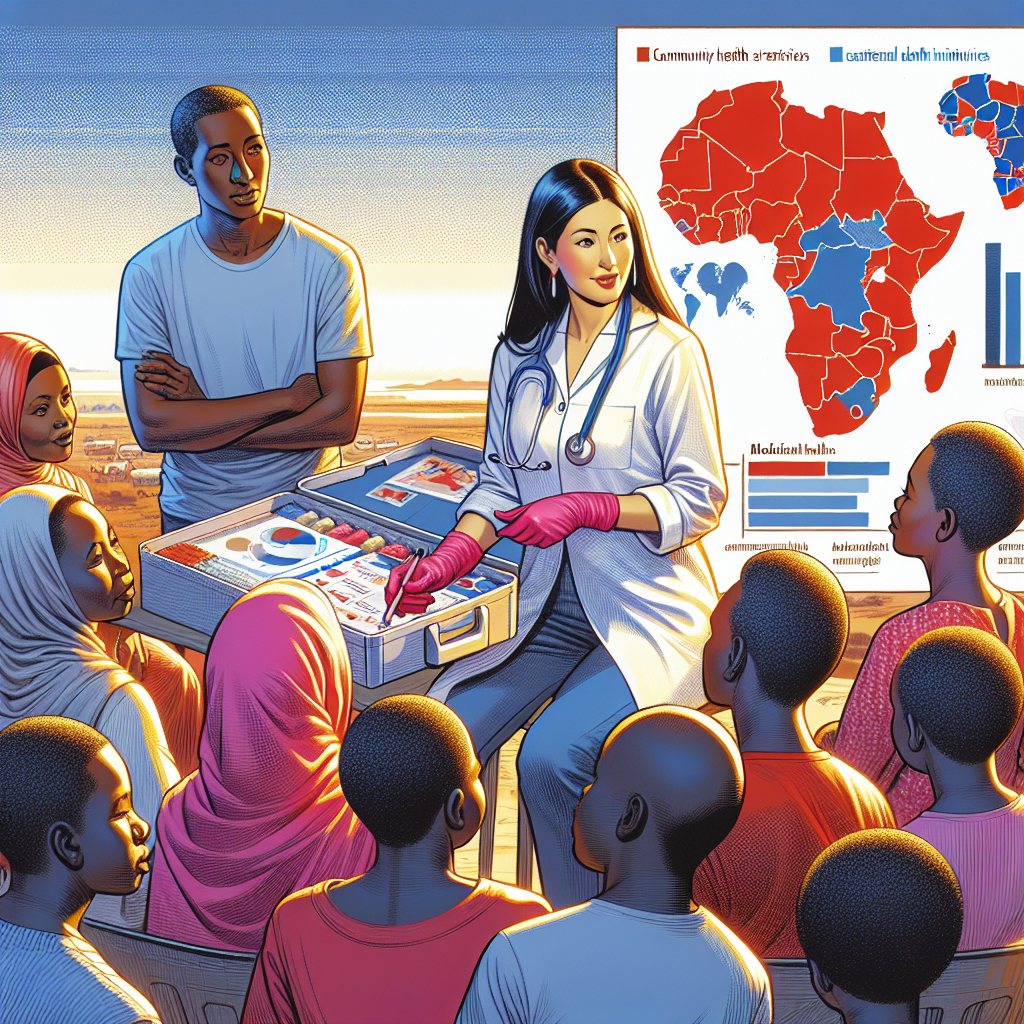
– **Community health interventions**: Programs that engage local communities to promote health education and support for individuals living with HIV are vital. These initiatives often include peer support groups and outreach activities that encourage testing and treatment adherence.
Demographic Studies
Demographic studies are instrumental in understanding HIV risk by examining factors such as age and gender. Research indicates that young women, particularly those aged 15-24, are at a higher risk of contracting HIV compared to their male counterparts. Urban areas also show different HIV rates compared to rural regions, with urban populations often experiencing higher transmission rates due to factors like increased mobility and higher population density.
Public Health Policy
Effective public health initiatives are crucial for addressing HIV in Eastern and Southern Africa. Government policies aimed at improving healthcare access, reducing stigma, and enhancing education about HIV can significantly impact infection rates.
Healthcare access remains a critical barrier. Many individuals in rural areas face challenges accessing HIV testing and treatment services, which hinders overall public health efforts. Policymakers must prioritize equitable healthcare access to ensure that vulnerable populations receive the necessary resources to combat HIV infections.
FAQ Section
What are the primary risk factors for HIV infections in Eastern and Southern Africa?
The primary risk factors include unprotected sex, multiple partners, history of STIs, and substance abuse. Socioeconomic factors also play a significant role.
How does population density affect HIV transmission rates?
Higher population density can lead to increased HIV transmission rates due to factors like mobility, greater social interaction, and limited healthcare access.
What role do gender and age play in HIV infection rates?
Young women, particularly those aged 15-24, are at a higher risk of HIV infection. Men also face significant risks, but the gender disparity is notable in many regions.
What prevention strategies are most effective in combating new HIV infections?
Effective strategies include comprehensive education programs, increased access to testing and treatment, and community health interventions that promote awareness and support.
How can community health interventions reduce HIV infections?
Community health interventions can reduce HIV infections by fostering local awareness, providing support for testing and treatment, and addressing stigma associated with HIV.
What are the implications of socioeconomic factors on HIV risk?
Socioeconomic factors, such as poverty and education level, significantly influence HIV risk by limiting access to healthcare and prevention resources.
What public health policies are in place to address HIV in these regions?
Public health policies focus on improving healthcare access, reducing stigma, and enhancing educational efforts about HIV prevention and treatment.
How can demographic studies inform HIV prevention efforts?
Demographic studies help identify at-risk populations and understand the unique factors contributing to HIV transmission, allowing for targeted prevention strategies.
In conclusion, addressing both individual and population-level risk factors for HIV infections in Eastern and Southern Africa is essential for curbing the epidemic. By focusing on effective prevention strategies, enhancing public health policies, and leveraging demographic studies, stakeholders can make significant strides in reducing new HIV infections in the region.