Ghana Politics
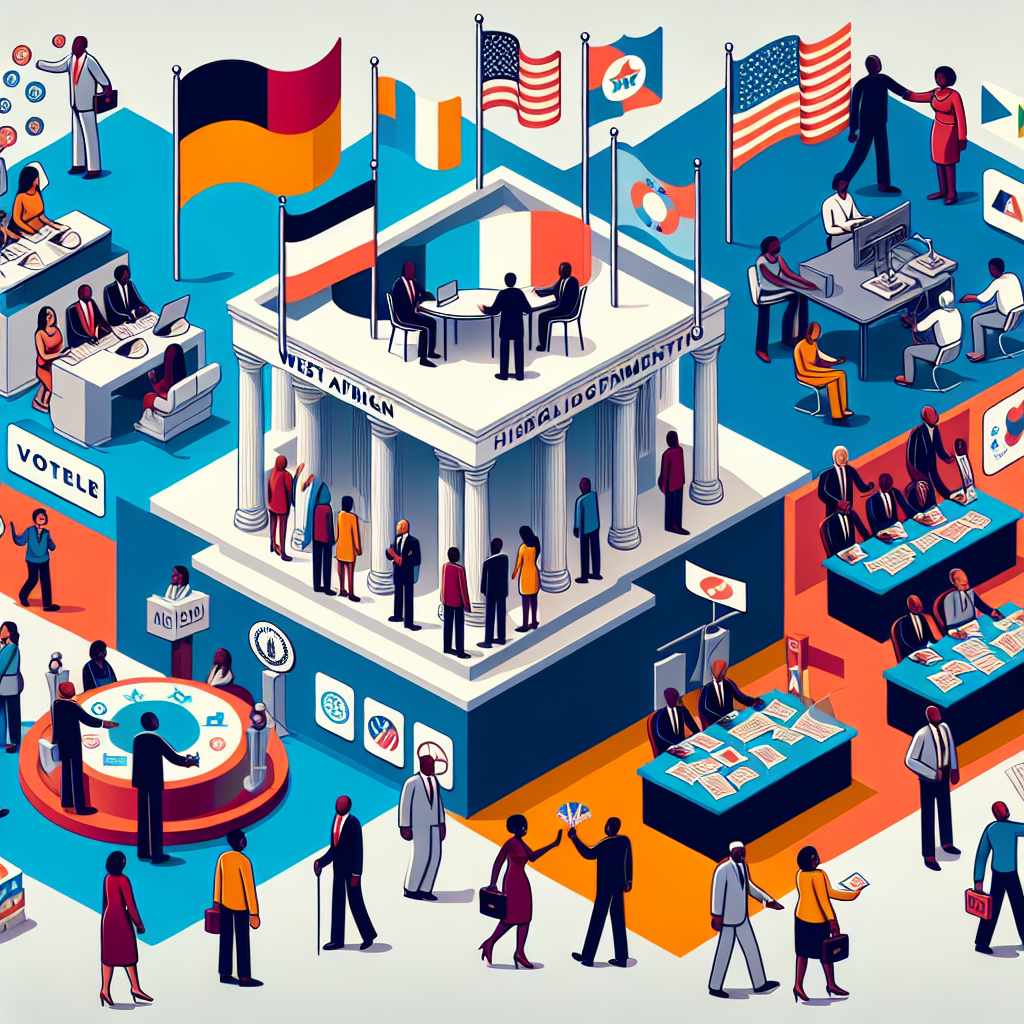
Ghana politics is a complex and dynamic subject, reflecting the country’s rich historical narrative and contemporary challenges. This blog post offers an in-depth examination of Ghana’s political landscape, its government structure, current issues, and the historical context that shapes its governance.
Political Parties in Ghana
The political parties in Ghana play a crucial role in shaping the country’s political discourse. The two dominant parties are the New Patriotic Party (NPP) and the National Democratic Congress (NDC).
– **New Patriotic Party (NPP)**: Founded in 1992, the NPP is known for its center-right policies and has been in power multiple times. The party emphasizes economic liberalization, private sector development, and a strong commitment to democracy.
– **National Democratic Congress (NDC)**: Established in the same year, the NDC is aligned with center-left ideologies, focusing on social welfare and public sector involvement in the economy. The NDC has also had significant periods in power, influencing key policies.
Other political parties in Ghana, such as the Convention People’s Party (CPP) and the Progressive People’s Party (PPP), contribute to the political diversity but are less prominent in electoral outcomes. The political landscape Ghana is characterized by competitive elections, primarily between the NPP and NDC, which often leads to a polarized atmosphere.
Ghanaian Government Structure
The Ghana government operates under a presidential system outlined in the 1992 Constitution.
– **Executive Branch**: The President serves as both the head of state and government, wielding significant powers such as appointing ministers and overseeing government operations.
– **Parliament**: Ghana’s legislature consists of a unicameral Parliament, with members elected every four years. Parliament is responsible for making laws, scrutinizing the executive, and representing the interests of citizens.
– **Judiciary**: The judiciary in Ghana is independent, with the Supreme Court being the highest court. It interprets laws and ensures justice and the protection of citizens’ rights.
– **Local Governance**: Ghana is divided into regions and districts, each with local government structures responsible for local administration and development. This decentralization allows for greater community participation in governance.
Current Political Issues
Ghana politics is currently grappling with several pressing issues.
– **Corruption in Ghana**: Corruption remains a significant concern, undermining public trust in institutions and hindering economic growth.
– **Economic Policies Ghana**: The government has faced criticism over its economic management, particularly regarding inflation, debt levels, and unemployment rates. The economic policies Ghana adopts will significantly impact the 2024 elections.
– **Ghana Elections 2024**: The upcoming elections in 2024 are pivotal, as they will determine the direction of policies and governance in the country. Voter turnout and engagement will be critical.
– **Youth in Politics Ghana**: The youth demographic is increasingly vocal about their political rights and responsibilities. Their engagement in political processes is essential for future governance.
Historical Context of Ghana Politics
Understanding the historical context of Ghana politics is vital to comprehending its present state.
– **Political History**: Ghana was the first African country to gain independence from colonial rule in 1957. This milestone marked the beginning of a complex political journey characterized by democratic aspirations and military coups.
– **Military Coups Ghana**: The country experienced several military coups between 1966 and 1981, which disrupted democratic processes and governance.
– **Democracy in Ghana**: The return to democratic rule in 1992 has been a significant turning point. Since then, Ghana has held multiple free and fair elections, establishing itself as one of the most stable democracies in West Africa.
– **Political Evolution**: The evolution of Ghana’s political landscape reflects the resilience of its people and institutions in the face of challenges, underscoring a commitment to democracy and good governance.
FAQ Section
What are the major political parties in Ghana?
The major political parties in Ghana are the New Patriotic Party (NPP) and the National Democratic Congress (NDC), both of which dominate the political landscape.
How is the government of Ghana structured?
The government of Ghana is structured into three branches: the executive (headed by the President), the legislature (unicameral Parliament), and the judiciary (independent court system).
What are the current political issues facing Ghana?
Current political issues in Ghana include corruption, economic policies, and preparations for the 2024 elections, along with active youth engagement in politics.
What is the political history of Ghana?
Ghana’s political history includes its independence in 1957, a series of military coups, and the establishment of a stable democracy in 1992.
How do elections work in Ghana?
Elections in Ghana are held every four years, with citizens voting for the President and Members of Parliament, ensuring a democratic process.
What role do youth play in Ghanaian politics?
Youth in Ghanaian politics are increasingly influential, advocating for change and actively participating in electoral processes and governance.
How can one participate in Ghanaian politics?
Participation in Ghanaian politics can occur through voting, joining political parties, engaging in community activism, or running for office.
What is the significance of democracy in Ghana?
Democracy in Ghana is significant as it reflects the will of the people, promotes political stability, and fosters accountability in governance.
In conclusion, Ghana politics is a vibrant component of the nation’s identity, shaped by its history and current developments. With its robust political parties, established government structure, and active engagement from the youth, the future of Ghanaian governance looks promising yet remains challenged by pressing issues. Understanding these dynamics is essential for anyone looking to engage with the political landscape of Ghana.